Wing It Corridors: Five Interrail Lines in 2026 Where Nobody Asks for a Reservation
The Interrail pitch is freedom. The reality, in 2026, is a bit more admin: a growing slice of Europe's high-speed network wants a paid seat reservation, and those fees quietly nibble at the budget you'd earmarked for actual fun.
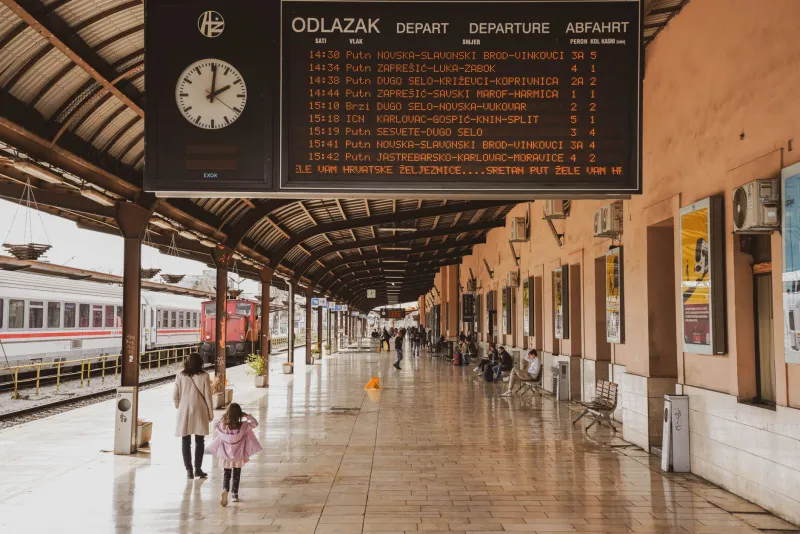
But the freedom isn't dead. It's just moved onto the slower, older, considerably prettier lines — the ones where you can still walk onto a platform, clock the departure board, and decide to go somewhere else entirely. Below are five corridors where that works, what they cost you in time, and the exact points where a reservation will suddenly reappear and ruin the mood.
The rule of thumb
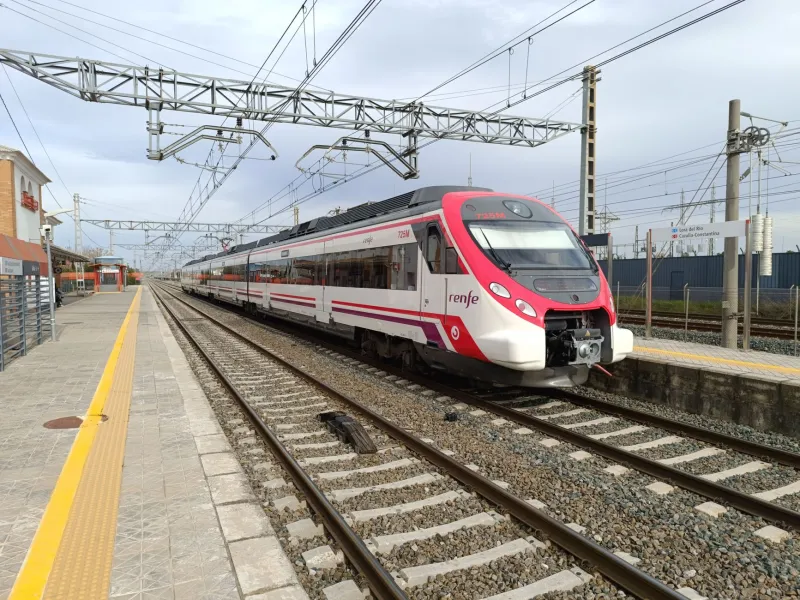
Reservations arrive with speed and with borders. Domestic regional trains: almost never. Long-distance expresses in Germany, Austria, Switzerland and Czechia: usually optional, occasionally recommended. Anything crossing into France, Spain or a high-speed Italian line, plus Eurostar and every sleeper worth taking: assume you're paying.
One more thing for UK readers: if you're starting from St Pancras, your Eurostar leg needs a reservation whatever else you do. Treat it as a fixed cost, not a variable one.
1. The Rhine and Moselle spine
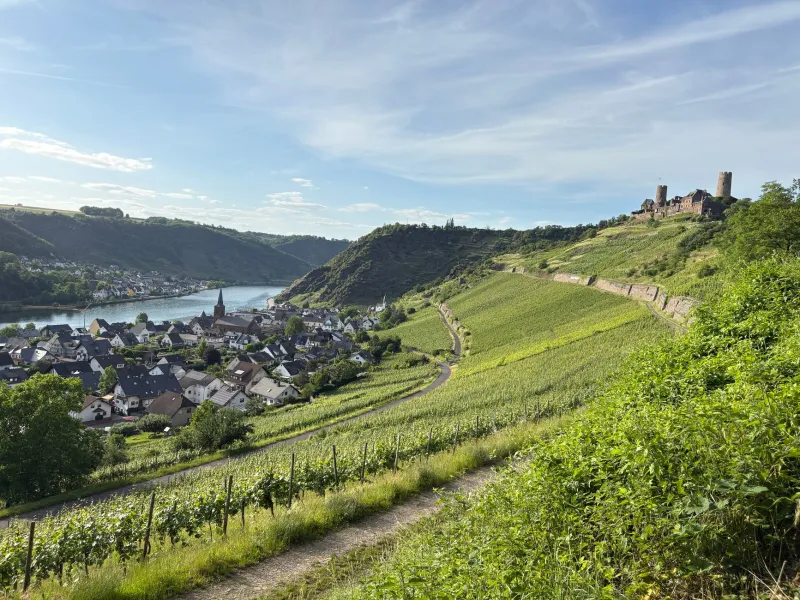
Basel or Freiburg up through Karlsruhe and Mainz to Koblenz and Cologne. This is the classic wing-it line: regional expresses every hour or so, no seat bookings, and the middle stretch through the Rhine gorge is arguably the best free scenery in western Europe. Castles on the ridge, vines on the slope, a river doing a lazy S-bend below you.
Practical bit: regional trains are slower than the ICEs sharing the same valley, and they stop everywhere. That's the price. Sit on the right-hand side heading north if you want the river.
Where it bites: hop off at Karlsruhe and head for Paris and you're straight into a mandatory TGV reservation. The same applies if you take an ICE into Belgium or the Netherlands on certain services — check before you board, not at the barrier.
2. Munich to Vienna, the long way round
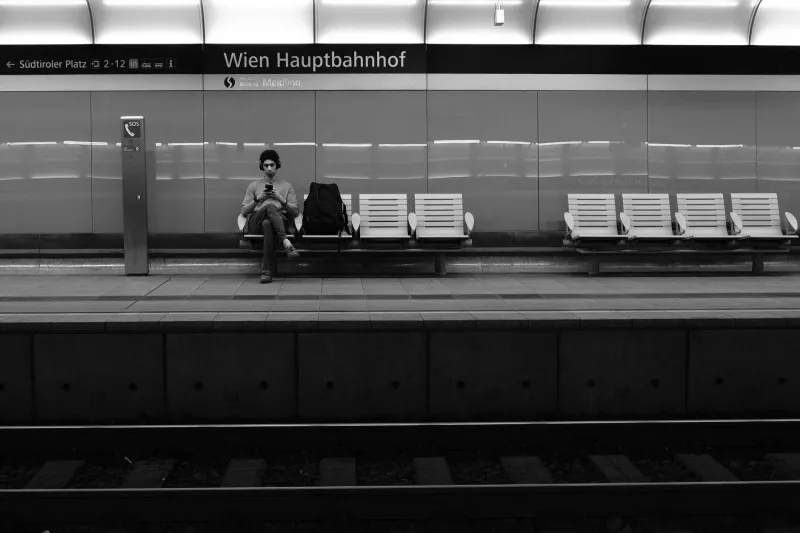
Munich, Salzburg, Linz, Vienna. ÖBB's Railjet runs the spine and doesn't force a reservation, though on a summer Friday you'll want one anyway — optional doesn't mean you'll find a seat. The regional expresses are emptier, slower and free of any booking at all.
This is the corridor to build a loose itinerary around because it's dense with easy stop-offs: a morning in Salzburg's old town, an afternoon in Linz for the river and the cake, then into Vienna for the evening. No timetable stress, no penalty for changing your mind at breakfast.
Where it bites: the Nightjet to Venice or Rome is reservation-only and sells out weeks ahead. Private operators on the same route have their own rules about pass acceptance — ask at the ticket desk before you get comfortable.
3. Brussels to Amsterdam, the slow intercity
The Eurostar-branded service between Brussels and Amsterdam requires a reservation and a fee. The ordinary intercity that runs the same general corridor — Brussels, Antwerp, Rotterdam, Amsterdam — doesn't. It's slower, it's full of commuters, and it costs you nothing beyond a travel day.
For a UK traveller this is a genuinely useful trick: arrive on the Eurostar, sleep in Brussels, then drift north the next morning without touching your wallet again. Antwerp's station alone justifies the stop, and Rotterdam to Amsterdam is barely an hour.
Where it bites: the temptation to "just jump on" the fast train when you see it on the board. Check the operator, not the destination, and remember you need a seat booking for the Eurostar-run service.
4. Prague to Vienna via Brno
Czechia is one of the last great budget corridors in the pass network. Prague to Brno on a fast ČD service, then Brno to Vienna or on to Bratislava. Railjet services generally let you board without a booking, and the regional alternatives are cheaper still in time rather than money.
Brno is the underrated middle child of central Europe — a compact old town, good coffee, and none of Prague's crowds. Give it a night and you've turned a transit corridor into a trip.
Where it bites: the SuperCity Pendolino wants a reservation, and some cross-border expresses strongly recommend one in peak season. Also, private competitors on the Prague–Vienna run have their own pass arrangements — check before boarding rather than after.
5. Florence to La Spezia, the Tuscan regional crawl
Italian regional trains are the great under-reported freedom of the Interrail network. Florence to Pisa, Pisa to Lucca, Pisa up the coast to La Spezia and the Cinque Terre — no reservations, no fees, and departures so frequent you can treat the timetable as a suggestion.
It's also where the budget maths works best. Two or three short hops in a day barely register on a travel day, and you can stop wherever the view improves.
Where it bites: Frecciarossa and Italo high-speed trains need seat reservations, and the Cinque Terre regional services in July are standing-room-only from Pisa onwards. Go early, or go in May.
Building a loose plan that doesn't fall apart
Flexibility isn't the same as winging it blind. A few habits keep the whole thing upright:
- Anchor the nights, not the trains. Book beds, leave the middle of the day open. You'll always find a train; you won't always find a room.
- Never rely on the last connection. If the day's final service is at 21:40, plan for the 19:10 one. Corridors are usually hourly; rural branches are not.
- Know your frequency before you commit. A line with six trains a day forgives nothing. A line with one an hour forgives almost everything.
- Check on the day, not in advance. DB Navigator and ÖBB Scotty are reliable for real-time platforms and delays, and they'll tell you if a reservation has quietly become compulsory.
- Keep a get-out station in your pocket. One town back down the line where you know there's a bed and a late train.
None of this is glamorous advice. But the difference between a brilliant Interrail day and a miserable one is usually about forty minutes of slack and one honest look at the departure board. The pass buys you the freedom; the planning is what stops it costing you a night on a bench.