Why the 48-Hour Rule Beats the Country-Counting Sprint on an Interrail Pass

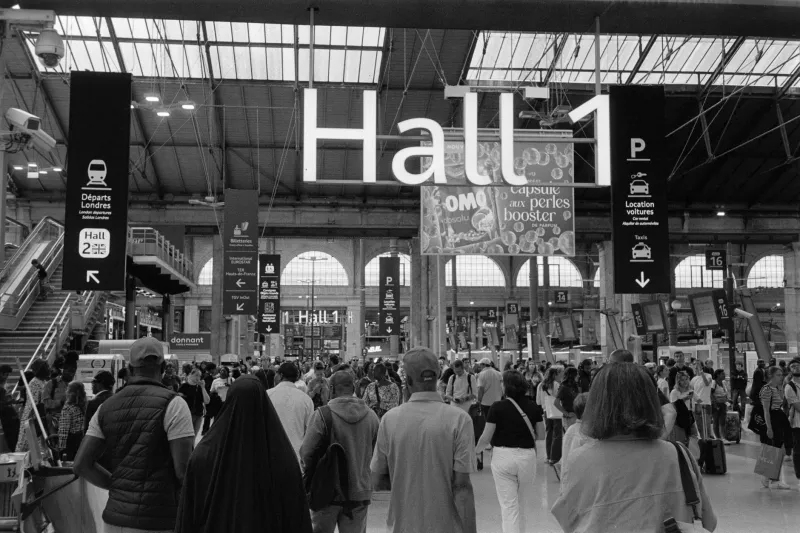
Every summer, UK rail terminals fill with travellers clutching an Interrail pass and a spreadsheet that looks like a game of Risk. Berlin on Monday, Kraków on Tuesday, Budapest by Wednesday lunchtime. It sounds heroic. It usually ends with a washed-out passenger eating a meal deal on a concourse, wondering why they spent £300 to see the inside of six platforms.
We love a big European adventure at Interrail Station. But after watching plenty of people sprint through the continent, we have a quiet recommendation: adopt the 48-hour city limit. Stay at least two nights in every stop. Choose fewer bases, look longer, and come home with stories rather than a train-number spreadsheet.
The country-counting trap
The classic Interrail sprint is built on a false economy. A pass makes trains feel free, so it is tempting to add another city. But every extra move costs something: a reservation fee, a locker, a half-day on a platform, and the energy you need for the actual place. A three-countries-in-five-days dash is not a holiday. It is logistics with a backpack.
UK travellers are especially vulnerable to this. Annual leave is precious, flights are expensive, and there is a nagging feeling that we should maximise every minute. So we build itineraries that would exhaust a tour manager. The result is a blur of station coffee and hostel check-ins, plus the low-level panic of wondering whether the 08:17 to somewhere is the one that needs a seat reservation.
The irony is that the sprint often costs more. Frequent moves mean more reservations, more luggage-store fees, and more meals bought at station prices. You also pay for accommodation in places you barely use. A cheap bed in five cities can easily cost more than a comfortable room in three.
What the 48-hour rule means in practice
The rule is simple: give every stop at least two nights, roughly 48 hours. Arrive by lunchtime on day one, use the afternoon to get your bearings, enjoy a full day, then leave the next morning or afternoon. That is enough time for one big sight, a proper wander, and a meal that is not eaten standing up.
It is not a rigid law. A 24-hour stop can work if you are breaking a long journey or visiting somewhere you know. But as a default, 48 hours changes the rhythm. You stop treating cities as tick boxes and start treating them as places.
It also makes packing easier. Fewer hotel changes mean less repacking, fewer lost chargers, and less time spent working out which locker token goes with which station.
A 10-day, three-base route that actually works
Here is a sample for a 10-day trip using three bases: Berlin, Prague and Vienna. It uses four travel days on a pass and leaves room for day trips or a lazy morning.
- Day 1: Arrive in Berlin. Check in, walk the neighbourhood, buy a local transit pass.
- Day 2: Berlin. Pick one big thing, then wander. Maybe the Wall memorial and a market.
- Day 3: Berlin. Day trip to Potsdam or a slow museum day.
- Day 4: Train to Prague, about four hours. Afternoon orientation in the old town.
- Day 5: Prague. Castle, river, and a proper Czech lunch.
- Day 6: Prague. Day trip to Kutná Hora or a relaxed city day.
- Day 7: Train to Vienna, about four hours. Evening stroll and a coffee house.
- Day 8: Vienna. Palace, museum, or just the Naschmarkt.
- Day 9: Vienna. Day trip to Bratislava or a final wander.
- Day 10: Fly home from Vienna.
Three bases, nine nights, and no mad dash. You still get three countries, but you also get a sense of each city. That is the sweet spot.
The 2026 budget breakdown
Prices move, so treat these as planning figures rather than gospel. This is a mid-range backpacker budget, staying in hostels or simple guesthouses and eating a mix of supermarkets and casual restaurants.
| Item | Estimated cost |
|---|---|
| Interrail Global Pass, 4 travel days in one month | £250 |
| Seat reservations | £30 |
| Accommodation, 9 nights at about £45 | £405 |
| Food, about £30 a day for 10 days | £300 |
| Local transport | £50 |
| Activities and entry fees | £120 |
| Total on the ground | £1,155 |
Add flights to Berlin and home from Vienna, which from the UK might be £80 to £180 depending on when you book. The important point is not the exact total. It is that you can have a rich 10-day trip for around £1,150 on the ground without racing around.
One caveat: an Interrail pass is not automatically the cheapest option. For this route, point-to-point tickets bought early can sometimes beat the pass, especially if you are only making three long journeys. Compare both before you buy. The 48-hour rule works either way.
Station tips for a 48-hour stay
A two-night stop lives or dies on the first hour. These habits make it smoother.
- Use station lockers if you arrive before check-in. Take a photo of the locker number and keep coins or a card ready.
- Buy a local transit pass at the station, but check whether a single ticket is enough for your first day.
- Choose accommodation within a 15-minute walk of the station or on a direct tram line. A cheap bed in the suburbs can eat your 48 hours.
- Do not book a timed attraction for an hour after arrival. Trains run late, and station exits are confusing.
- Keep one day free of reservations. The best part of a slower trip is the afternoon you did not plan.
The slower trip wins
The 48-hour city limit is not about being cautious. It is about getting more from the pass. Europe is not a leaderboard. It is a load of brilliant cities, and most of them reward a second coffee, a wrong turn, and an evening that does not end with a dash for the last train.
In 2026, with pass prices and reservations to think about, the smartest Interrail hack might be the least dramatic one: stay put for a bit longer.