Eight Rail Legs That Quietly Eat Your Interrail Budget in 2026
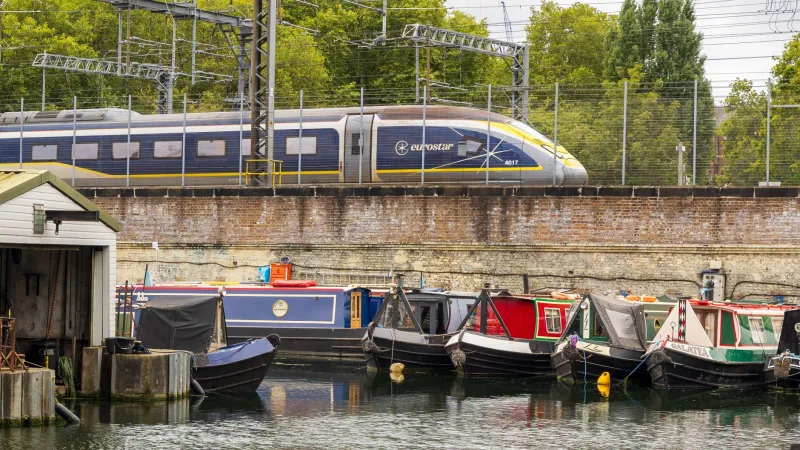
An Interrail pass feels like a magic ticket until you meet a compulsory reservation. On high-speed lines, the pass covers the fare but not the seat, and those fees add up fast. For UK travellers, the trap often starts on the first leg: Eurostar. Then France, Spain and Italy pile on more. Here are eight legs where reservation fees quietly blow the budget in 2026—and how to spot them before you commit.
The pass is not a seat
On many high-speed trains, a reservation is compulsory. You pay a passholder fee per person, per journey. It is not the same as a full ticket, but it is not pocket change either. Fees vary by operator, demand and how early you book. The Interrail app and operator sites show whether a reservation is required. Always compare the pass-day cost plus the fee with a normal ticket. A pass day is precious; do not spend it on a short hop with a chunky reservation.
1. London to Paris on Eurostar
This is the first leg for many UK travellers, and the passholder reservation is fixed-ish rather than free. On a short trip to Paris only, a point-to-point Eurostar ticket can be cheaper than burning a pass day plus the reservation. If you are heading onward to France, Belgium or beyond, the pass still makes sense—but book the reservation early. Workaround: if Paris is the whole trip, buy a normal ticket and save the pass for later.
2. Paris to Barcelona
The TGV from Paris to Barcelona is fast, comfortable and reservation-heavy. The fee can be a nasty surprise after a cheap pass purchase. Workaround: take a TGV to Perpignan or Narbonne and switch to regional trains toward Portbou or Cerbère, then Spanish regional services. It is slower, but reservation-light. Check pass validity on each leg, because not every cross-border regional train is included in the same way.
3. Barcelona to Madrid
The AVE is the obvious choice and the obvious budget leak. Passholder reservations can be steep, especially at peak times. Workaround: Media Distancia or regional trains via Zaragoza are slow; coaches are often cheaper. If time is tight, compare the pass-plus-reservation total with a promotional Renfe ticket. Sometimes the pass wins; sometimes it does not.
4. Madrid to Seville
Another AVE leg, another reservation fee. The route is brilliant and quick, but do not assume the pass is automatically the cheapest way. Workaround: Media Distancia to Cordoba and onward, or a coach. If you are doing a tight Andalusian loop, add up every reservation before you commit. Two AVE legs can eat the savings from a whole pass day.
5. Rome to Florence
Frecciarossa trains are the default, and the reservation fee is part of the deal. Workaround: Regionale Veloce or Intercity trains are slower but cheaper or reservation-free. The pass is valid; you just need to check the train type. If you are not in a hurry, the regional option is a pleasant way to see more of Italy and keep the budget intact.
6. Rome to Venice
Same story on the high-speed line. Frecciarossa reservations add up, especially if you are travelling at popular times. Workaround: Intercity or regional trains via Bologna. Longer, yes, but it avoids the high-speed fee. If you are doing Rome–Florence–Venice in a week, the fees can quietly become a significant chunk of your spending.
7. Paris to Marseille or Nice
The TGV south is a classic Interrail leg and a classic reservation trap. Workaround: the Intercités de Nuit to Nice still needs a reservation, but it is often lower than the daytime TGV fee—and it saves a hotel night. Intercités and TER combinations are slower but can be much kinder to your budget. Check the night train carefully; couchettes and reclining seats have different fees.
8. Brussels to Amsterdam
Eurostar is quick, but the passholder reservation is not free. Workaround: the classic IC Brussels–Amsterdam is slower but reservation-free. If you are already in Brussels, this is an easy save. The same logic applies to other short high-speed hops: if the journey is under a few hours, a slower direct train can be the smarter pass move.
The simple rule
Work out your per-day pass cost: total pass price divided by travel days. Add the reservation fee for the leg. If that total is more than a flexible point-to-point ticket, buy the ticket. If it is less, use the pass. Also count the value of flexibility: a pass day is precious, and spending it on a short high-fee leg rarely feels good.
Spotting them before you commit
Look for “reservation compulsory” on operator sites such as SNCF Connect, Renfe, Trenitalia and Eurostar. Use the Interrail reservation service for a quote, but check operator sites too. Book early, avoid Friday and Sunday peaks, and consider ferries or coaches for short hops. Do not be loyal to speed if the fee is silly.
Workarounds that actually work
Regional chains, night trains, slower Intercity services, split tickets and coaches are all legitimate. The best Interrail budget plans mix fast trains where they matter with slow trains where they do not. If a route is reservation-heavy, ask whether the destination is worth the fee—or whether a different route is the better adventure. At Interrail Station, we would rather spend the money on a cabin, a good meal or an extra day than on a seat reservation you barely notice.